
The Nature of Casino Games
Casino games are inherently designed to be unpredictable, combining elements of chance with an array of player strategies that can vary widely across different sports betting sites and platforms. The randomness in these games is a critical component that keeps players engaged. From slot machines to table games like blackjack and poker, every outcome is heavily influenced by randomness. For instance, slot machines use Random Number Generators (RNGs) to ensure that results are entirely random and independent of previous outcomes, making prediction nearly impossible.
The house edge, which gives casinos their advantage, varies from game to game. In games like roulette, a single spin can lead to a win or loss, but the odds favor the house. Players might believe they can predict outcomes based on prior spins, yet with each round being independent, this assumption tends to be flawed. Understanding the mathematical foundations of these games provides insight into why predictions are unreliable and showcases the allure of unpredictability.
Moreover, many players have attempted to develop strategies to increase their chances of winning, believing that certain patterns or trends could be used to predict outcomes. This leads to the popular notion of “hot” and “cold” streaks, where players chase wins based on previous results. However, while this behavior is rooted in human psychology, it often lacks empirical support and underscores the inherent unpredictability of casino games.
The Role of Mathematics in Predicting Outcomes
Mathematics plays a pivotal role in understanding casino games, particularly in the realm of probability and statistics. By applying mathematical principles, players can analyze possible outcomes and make informed decisions. For example, in blackjack, knowing the basic odds and employing strategies like card counting can indeed provide players with a slight advantage over the house. However, this is not predicting outcomes but rather enhancing decision-making informed by probability.
Every casino game has an associated probability model that dictates the likelihood of various outcomes. Understanding these models can help players comprehend the odds they face, but it does not grant the ability to predict specific results. For instance, the poker game often involves elements of skill and psychology, where players evaluate opponents’ tendencies; yet, the cards dealt are still fundamentally random. Consequently, while mathematical analysis can improve gameplay, it does not eliminate the inherent uncertainty.
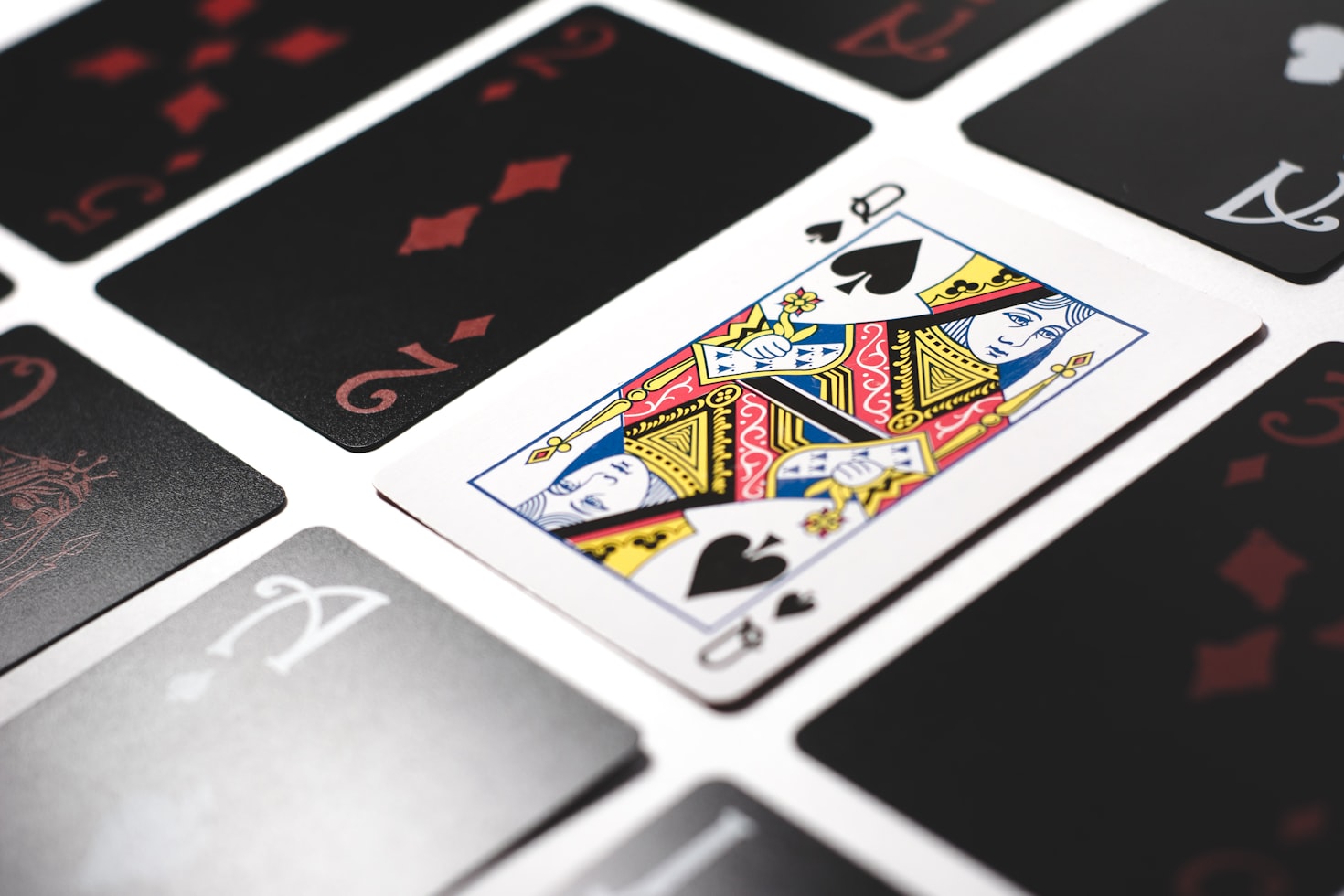
While some players argue that certain betting systems can predict outcomes with greater accuracy, these claims are often misleading. Systems like the Martingale strategy, which involves doubling bets after losses, can lead to substantial losses, especially during prolonged losing streaks. This showcases that while mathematics can provide frameworks for understanding, the unpredictable nature of chance events in casinos negates the possibility of reliable predictions.
The Impact of Player Behavior on Perception of Outcomes
Player behavior significantly influences how outcomes in casino games are perceived. Many players develop personal beliefs regarding luck and winning streaks based on their own experiences. This psychological aspect, known as cognitive bias, can lead individuals to overestimate their ability to predict outcomes, often attributing wins to skill rather than chance. This can create a false sense of confidence, encouraging players to engage with games in reckless manners.
Superstitions are also common among casino players, with many adopting various rituals or beliefs in an attempt to sway luck in their favor. For instance, some players may refuse to change betting patterns or will avoid certain tables based on prior experiences. While these behaviors may provide a comfort level, they do not actually enhance the ability to predict outcomes. Instead, they reinforce the illusion of control over inherently random processes.
This psychological interplay highlights the gap between perceived and actual probability in casino games. Understanding this discrepancy can be crucial for responsible gambling. By recognizing the limitations of their predictive capabilities, players can engage in casino games with a more realistic perspective, enjoying the entertainment value while minimizing the potential for losses due to overconfidence in their abilities.
The Influence of Technology on Game Outcomes
Technological advancements have significantly influenced casino games, introducing new dimensions of randomness and unpredictability. The incorporation of sophisticated algorithms in electronic gaming machines has made traditional patterns of gameplay obsolete. Modern slot machines, for instance, utilize advanced RNG systems, ensuring that every spin is independent and devoid of any previous influences. This development makes it almost impossible for players to predict future outcomes based on past results.

Online gaming platforms have also adopted cutting-edge technology to enhance randomness and player experience. Live dealer games, which aim to replicate the in-person casino feel, leverage complex software that ensures fair play while maintaining unpredictability. The use of cryptographic techniques further guarantees that outcomes are truly random and secure, thus reinforcing the notion that prediction remains out of reach for players.
Moreover, technology has provided tools for players to analyze their gameplay, allowing for a deeper understanding of personal strategies and outcomes over time. However, despite access to data analytics and performance tracking, the unpredictable nature of casino games persists. Advanced technology thus serves to enhance the gaming experience, but it does not provide players with the ability to predict outcomes more accurately.
Exploring Further Resources and Insights
As the world of casino games evolves, so does the wealth of information available to players seeking to understand their dynamics better. Players can find numerous resources that delve into strategies, odds, and the mathematical principles governing various games. While these resources can offer valuable insights, it is crucial to recognize that even the most detailed analysis cannot convert the inherently unpredictable nature of chance games into a predictable science.
Moreover, engaging with knowledgeable communities, whether through forums or online platforms, can provide players with diverse perspectives on gameplay strategies and experiences. These interactions can enhance understanding but should always be approached with the awareness that predictions remain speculative. Thus, players should focus on entertainment and enjoyment rather than on winning as a guaranteed outcome.
Overall, the richness of content available regarding casino gaming can be overwhelming yet enlightening. By exploring these resources, players can better equip themselves to appreciate casino games for their entertainment value, learning to approach them with a balanced perspective on the nuances of chance, skill, and enjoyment.